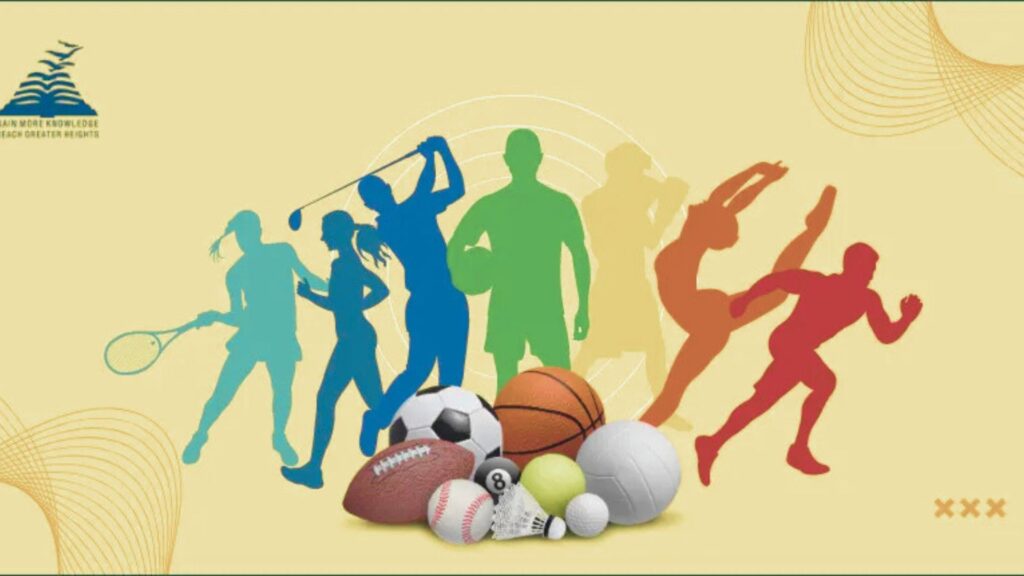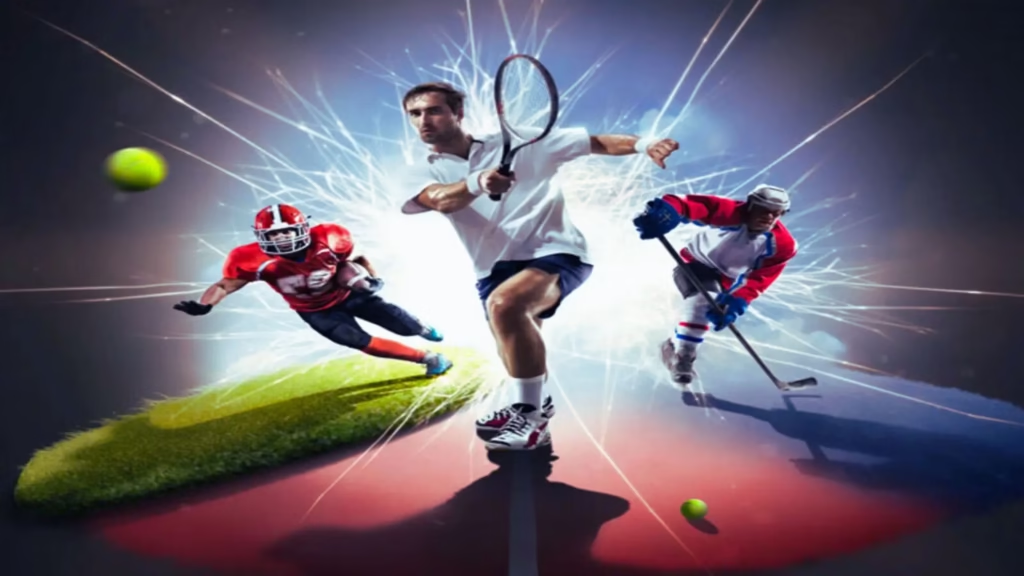
Sports are more than competitions or entertainment. They are a powerful cultural force that connects people across countries, languages, and traditions. From global events like the Olympics to local football matches, sports influence how societies think, communicate, and express identity.
Understanding how sports influence global culture helps explain why sports matter far beyond the field. In this article, we explore how sports shape values, unite communities, influence media, and create shared global experiences.
Sports as a Universal Language
Sports are understood everywhere.
Why sports are universal:
- Simple rules
- Shared emotions
- Common goals
People who do not share the same language can still understand and enjoy the same game. This makes sports one of the strongest tools for global connection.
Sports Bring People Together Across Borders
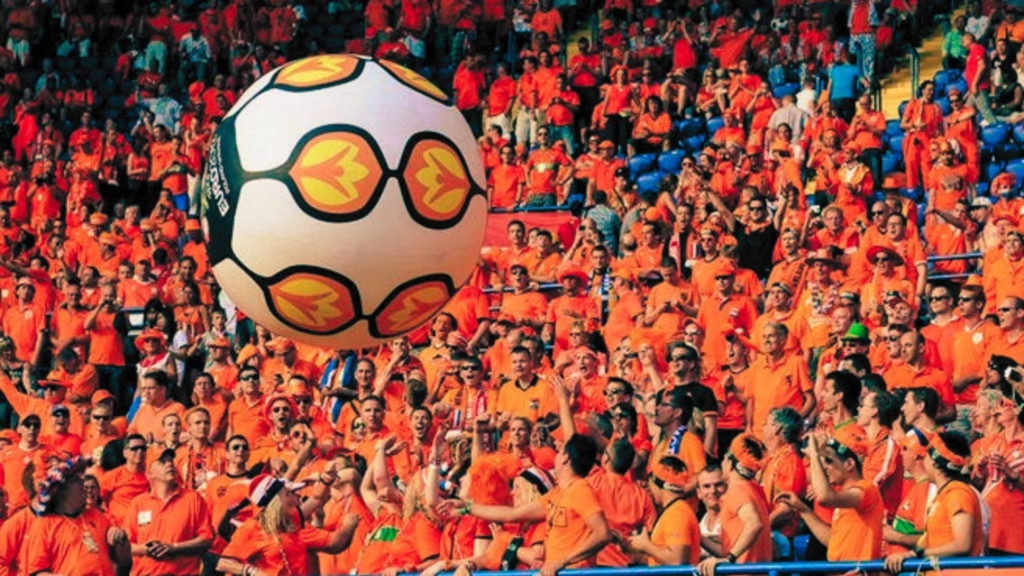
Major sports events unite nations.
Examples include:
- World Cup tournaments
- Olympic Games
- International championships
During these events, people around the world focus on the same moments, creating a shared cultural experience.
1. Sports Shape National Identity
Sports often represent national pride.
National identity through sports:
- Country flags and anthems
- National teams
- Historic victories
A single sports moment can become part of a nation’s cultural memory.
2. Sports Promote Cultural Exchange
Sports create interaction between cultures.
Cultural exchange happens through:
- International athletes
- Global fan bases
- Cross-border competitions
Fans learn about other cultures through sports traditions and styles of play.
3. Sports Influence Fashion and Lifestyle
Sports affect everyday style.
Cultural influence includes:
- Team jerseys
- Athletic footwear
- Sports-inspired fashion
Sportswear often becomes part of global street culture.
4. Sports Shape Media and Entertainment
Sports drive global media coverage.
Media influence includes:
- Live broadcasts
- Sports documentaries
- Social media trends
Sports stories reach audiences worldwide and influence popular culture.
You Can Also Read: mental side winning losing sports
5. Sports Create Global Role Models
Athletes become cultural icons.
Role model influence:
- Inspiring youth
- Promoting values like discipline and teamwork
- Influencing behavior and attitudes
Athletes often represent hope, success, and resilience.
6. Sports Reflect Social Values and Change
Sports mirror society.
Sports reflect:
- Equality movements
- Inclusion efforts
- Social justice messages
Changes in sports often reflect broader cultural shifts.
7. Sports Encourage Unity During Difficult Times
Sports bring comfort during crises.
Examples include:
- International solidarity after tragedies
- Sporting events boosting morale
- Shared moments of hope
Sports offer emotional connection during global challenges.
8. Sports Influence Language and Expressions
Sports shape everyday language.
Common examples:
- Sports metaphors in business
- Phrases like “level playing field”
- Competitive language
Sports language becomes part of daily communication.
9. Sports Impact Youth Culture Worldwide
Young people are deeply influenced by sports.
Youth culture impact includes:
- Imitating athletes
- Adopting sports values
- Building aspirations
Sports inspire dreams across generations.
10. Sports Support Global Business and Economy
Sports are a global industry.
Economic impact includes:
- Sponsorships
- Advertising
- Tourism
Sports events influence global markets and business culture.
11. Sports Promote Shared Values
Sports teach values recognized worldwide.
Shared values include:
- Fair play
- Respect
- Discipline
- Teamwork
These values connect people across cultures.
12. Sports Bridge Political and Social Divides
Sports sometimes unite divided communities.
Examples include:
- Friendly matches between rival nations
- Sports diplomacy
- Cultural cooperation
Sports can open dialogue where politics cannot.
13. Sports Influence Music, Art, and Media
Sports inspire creativity.
Cultural influence includes:
- Songs and anthems
- Films and documentaries
- Art and design
Sports moments often become artistic inspiration.
14. Global Sports Create Shared Memories
Fans remember iconic moments.
Shared memories include:
- Historic goals
- Record-breaking performances
- Emotional victories
These moments become part of global culture.
15. Sports Adapt to Cultural Differences
Sports evolve in different regions.
Cultural adaptation includes:
- Local traditions
- Regional fan behavior
- Unique playing styles
Global sports remain diverse and inclusive.
Sports, Insight, and Cultural Awareness
Understanding the cultural impact of sports requires observation and perspective. Platforms like
paris-turf encourage strategic thinking, analysis, and global awareness—qualities that align well with understanding how sports influence cultures worldwide.
The Role of Technology in Global Sports Culture
Technology expands sports reach.
Digital influence includes:
- Live global streaming
- Social media fan communities
- Instant access to sports news
Technology strengthens global sports culture.
Challenges of Global Sports Influence
Not all influence is positive.
Challenges include:
- Commercialization
- Cultural dominance of major sports
- Inequality in access
Balanced growth is important.
Why Sports Matter Beyond Entertainment
Sports shape society.
They help:
- Build identity
- Promote unity
- Encourage understanding
Sports reflect humanity’s shared values and struggles.
Final Thoughts
Sports influence global culture by connecting people, shaping identity, and creating shared experiences across borders. They affect language, fashion, media, values, and social change. Sports are not just games—they are cultural forces.
In a divided world, sports offer common ground. They remind people that competition can coexist with respect, and diversity can exist within unity.
From local fields to global stages, sports continue to shape how the world thinks, feels, and connects.