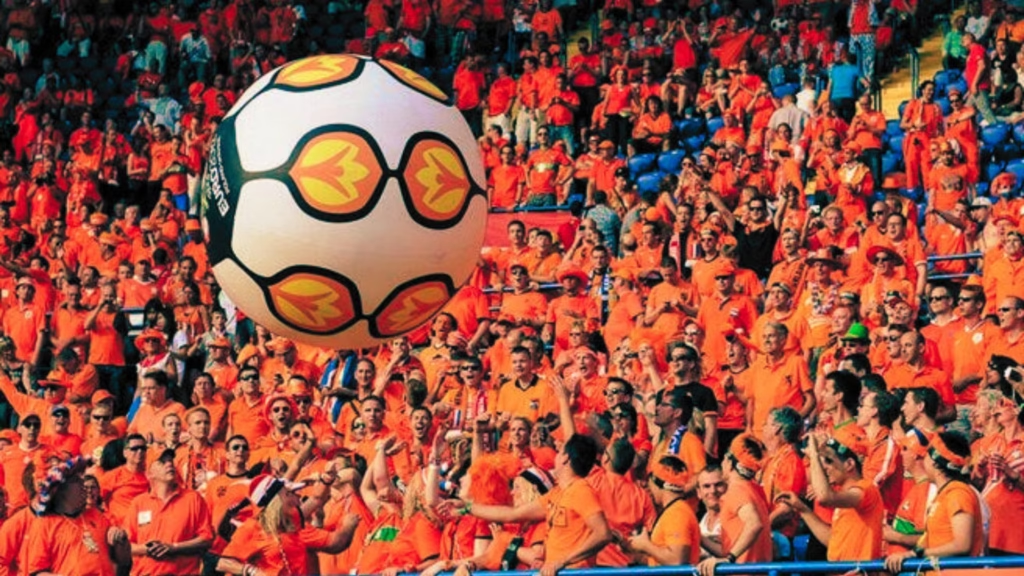
Sports are more than games played on fields or courts. They are powerful teachers of life skills. Two of the most important lessons sports teach us are discipline and teamwork. These qualities are not only essential for athletic success, but also for personal growth, education, and professional life.
Understanding what sports teach us about discipline and teamwork helps explain why sports play such an important role in building strong character. In this article, we explore how sports develop these values and why they matter far beyond competition.

The Meaning of Discipline in Sports
Discipline in sports means following routines, respecting rules, and staying committed even when it feels difficult.
Discipline includes:
- Regular practice
- Self-control
- Responsibility
- Long-term commitment
Athletes learn that success comes from consistent effort, not shortcuts.
The Meaning of Teamwork in Sports
Teamwork means working together toward a shared goal.
Teamwork involves:
- Communication
- Trust
- Cooperation
- Mutual support
In team sports, individual talent is important, but collaboration determines success.
1. Sports Teach the Value of Consistent Effort
Discipline starts with showing up.
Athletes learn to:
- Attend training regularly
- Practice even when tired
- Improve step by step
This habit of consistency builds strong work ethics.
2. Sports Teach Respect for Rules and Structure
Rules create fairness.
Through sports, players learn:
- Respect for authority
- Importance of structure
- Accountability for actions
Discipline grows when rules are followed consistently.
3. Sports Teach Time Management
Balancing sports with daily life requires planning.
Athletes learn to:
- Manage schedules
- Balance school or work with training
- Use time efficiently
These skills are valuable in all areas of life.
4. Sports Teach Delayed Gratification
Results do not come instantly.
Discipline teaches athletes to:
- Be patient
- Focus on long-term goals
- Accept gradual improvement
This mindset helps people stay committed to goals outside sports.
5. Teamwork Teaches Communication Skills
Communication is essential in sports.
Players learn to:
- Listen to teammates
- Share ideas
- Give and receive feedback
Strong communication improves both performance and relationships.
6. Teamwork Teaches Trust and Dependence
Teams succeed when members trust each other.
Trust develops when:
- Roles are respected
- Responsibilities are shared
- Support is consistent
Athletes learn they are stronger together.
7. Sports Teach Responsibility and Role Awareness
Every team member has a role.
Athletes learn:
- Importance of individual responsibility
- How roles support the team
- That every contribution matters
Understanding roles improves cooperation.
8. Sports Teach How to Handle Failure Together
Loss is part of sports.
Team failure teaches:
- Emotional control
- Collective responsibility
- Learning from mistakes
Teams grow stronger when they face challenges together.
9. Sports Teach Leadership Through Discipline
Leadership begins with example.
Disciplined athletes:
- Show commitment
- Maintain focus
- Inspire teammates
Sports create natural leadership opportunities.
10. Teamwork Builds Empathy and Respect
Team environments expose people to differences.
Athletes learn to:
- Respect diverse strengths
- Support struggling teammates
- Celebrate group success
Empathy strengthens teamwork.
11. Discipline and Teamwork Improve Mental Strength
Sports challenge the mind as well as the body.
Mental benefits include:
- Improved focus
- Stress management
- Emotional resilience
These skills help in high-pressure situations.
12. Sports Teach Conflict Resolution
Disagreements happen in teams.
Athletes learn to:
- Resolve conflict respectfully
- Communicate openly
- Put team goals first
These lessons apply to real-life relationships.
13. Sports Prepare People for Professional Life
Workplaces value discipline and teamwork.
Sports experience supports:
- Collaboration at work
- Following systems
- Meeting deadlines
Employers value team-oriented individuals.
14. Sports Teach Accountability
Actions have consequences.
Accountability includes:
- Accepting mistakes
- Improving behavior
- Taking responsibility
This builds integrity and maturity.
15. Discipline and Teamwork Shape Character
Character is built through habits.
Sports develop:
- Strong values
- Persistence
- Respect
These traits remain long after athletic careers end.
Sports, Strategy, and Personal Development
Understanding sports lessons requires reflection and awareness. Platforms like
paristurf encourage strategic thinking, discipline, and long-term perspective—qualities that align closely with the values of teamwork and discipline learned through sports.
Individual Sports Also Teach Teamwork
Even solo athletes rely on teams.
Support teams include:
- Coaches
- Trainers
- Mentors
Teamwork exists even in individual sports.
Teaching Discipline and Teamwork to Youth
Sports are especially important for young people.
Youth benefits include:
- Early habit formation
- Social skill development
- Confidence building
Positive sports culture shapes future behavior.
When Sports Fail to Teach These Lessons
Not all sports environments are healthy.
Problems include:
- Win-at-all-costs mentality
- Poor coaching
- Lack of respect
Healthy leadership ensures positive learning.
Final Thoughts
Sports teach us powerful lessons about discipline and teamwork. Discipline builds consistency, focus, and responsibility. Teamwork builds trust, communication, and empathy. Together, these skills prepare people for success in life, not just competition.
Whether on the field, in school, or at work, the lessons learned through sports remain valuable forever. Sports do not just create athletes—they create disciplined, cooperative, and resilient individuals.
In the end, winning games matters less than building character. And discipline and teamwork are the greatest victories sports can offer.